Expert Tips to choosing a trusted electrician
Trustworthy Electrician Offerings for Safe and Efficient Home Wiring
Trusted electrician services play an important role in upholding the security and performance of home wiring. These specialists guarantee conformance to safety standards, cutting down the risk of hazards such as electrical fires. Homeowners often overlook indications that point to the need for expert assistance. Understanding these indicators is vital. What should one identify when considering a approved electrician? The ramifications of not addressing this can be significant.
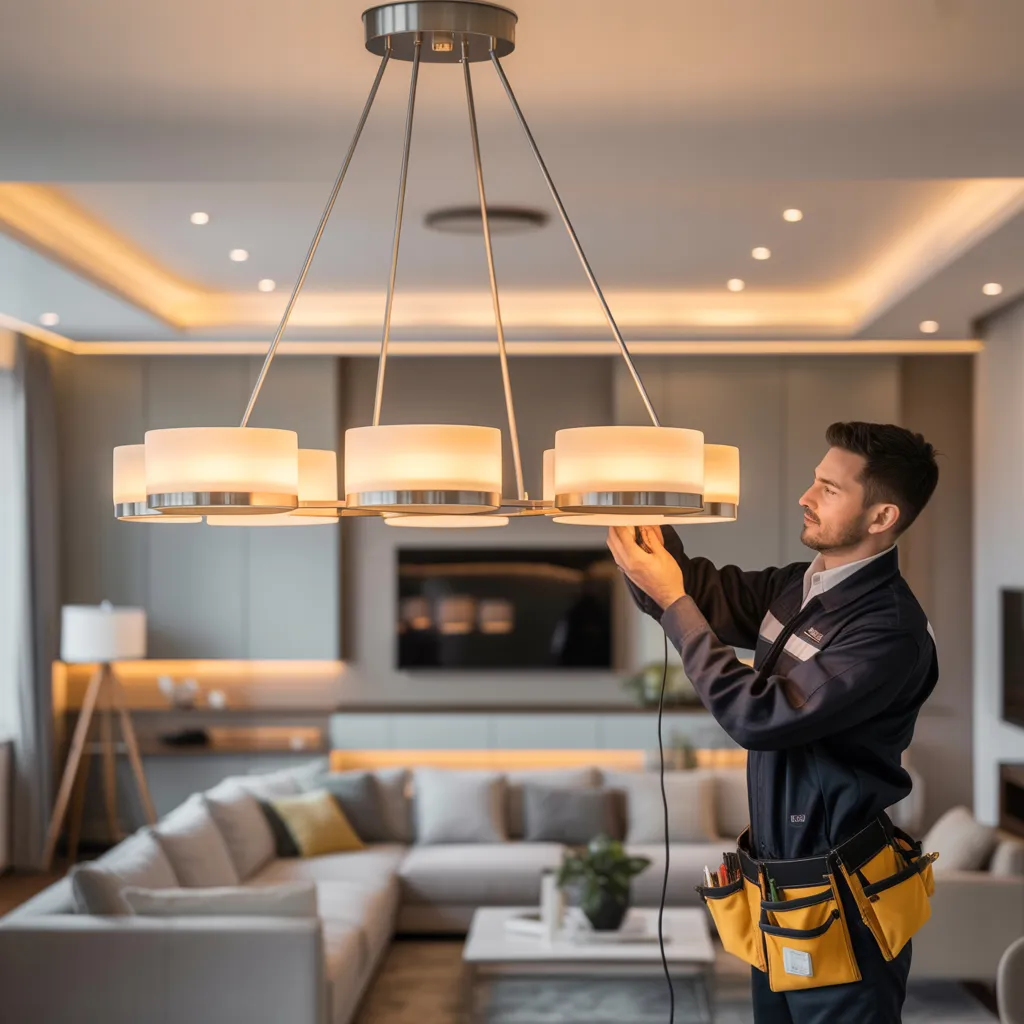
Why Professional Electrician Solutions Are Crucial for Your Home
Why are expert electrical contractors essential for maintaining a secure and operational home? These offerings ensure that electrical systems are set up and serviced in compliance with strict safety standards. Qualified electricians possess the expertise to handle intricate electrical work, preventing dangers such as fire hazards, electrical injuries, and equipment breakdowns. Their knowledge of local codes and regulations guarantees compliance, additionally safeguarding homeowners from potential legal issues.
In addition, licensed electricians can uncover inefficiencies in pre-existing electrical setups, recommending enhancements that amplify power conservation and cut utility costs. They are outfitted to pinpoint malfunctions efficiently, curtailing downtime and reestablishing full function. By opting for professional services, homeowners obtain reassurance knowing their power networks are safe, reliable, and optimized for performance. To conclude, teaming up with competent specialists strengthens not only safeguarding but also the complete lifestyle experience throughout the home.
Reasons to Contact a Licensed Electrical Expert
Knowing when to reach out to a licensed electrician can avoid minor issues from becoming major problems. Homeowners must be watchful to various critical signs pointing to the need for professional help. Frequent circuit breaker trips often suggest overloaded circuits or defective wiring. Flickering lights might indicate hidden electrical problems that need prompt attention. Moreover, any signals of burning odors or scorch marks around outlets are serious alerts that should not be overlooked.
An further signal is a surge in energy bills without any obvious cause, which may indicate inefficiencies or malfunctioning systems. If there are non-functional outlets that remain unresponsive after attempting repairs, it is necessary to consult an expert. Finally, any DIY electrical work that seems daunting or unknown should be handled by a licensed electrician to ensure safety and compliance with local codes. Prompt action can safeguard both the property and its occupants.
How to Find the Ideal Electrician for Your Situation
Picking the right electrician can seem challenging, but several critical elements can simplify the process. First, verify credentials and licenses, validating the electrician complies with local regulations and standards. This validation is crucial for safety and peace of mind. Next, think about background; electricians with a solid reputation in residential wiring typically manage problems more efficiently.
In addition, seeking recommendations from friends or online reviews can supply helpful information into the electrician's reliability and work quality. It's also wise to inquire about warranties on work and products, as this shows confidence in their work.
To finish, establish transparent interaction with respect to project schedules and expectations. An electrician who recognizes concerns and responds to questions is more likely to deliver gratifying results. By prioritizing these key elements, homeowners can make informed determinations and find an electrician who satisfies their specific needs proficiently.
Determining Fees for Power Work
What are the best ways for property owners to assess expenses associated with electrical services? First, they should secure multiple estimates from licensed electrical professionals, making sure they have a range of pricing options. This strategy allows comparison and enhances comprehension of standard pricing. Homeowners should discuss the fee arrangement, which could include hourly charges or flat project costs, as well as any additional costs for supplies or permits.
Next, it's vital to understand what is encompassed in the estimate, as complete estimates can reduce unexpected expenses. Homeowners should also assess the electrician's expertise and standing, as budget-friendly rates may sometimes show inferior quality. Additionally, studying local average costs for individual jobs can supply a baseline for evaluating estimates. Finally, homeowners should be suspicious of prices that seem unusually low, as they may point to subpar service or hidden charges. By following these steps, homeowners can reach sound conclusions regarding their electrical service needs.
Guidelines for Guaranteeing Protected and Efficient Home Wiring
Upon evaluating costs for electrical services, maintaining safe and efficient home wiring becomes a objective for homeowners. Periodic reviews by qualified electricians can pinpoint potential hazards, such as frayed wires or outdated systems. Homeowners should also observe circuit breakers; frequent tripping may reveal underlying issues that need immediate attention.
Moreover, circumventing overloading circuits is fundamental for safety. Putting an excessive number of appliances on a single outlet may cause combustion risks and heat problems. Homeowners are urged to use surge protectors to preserve sensitive electronics from electrical surges.
Furthermore, ensuring clear pathways to electrical panels and outlets confirms that crises can be addressed rapidly. It is also smart to replace any worn-out or damaged extension cords promptly. Finally, homeowners should familiarize themselves with basic electrical safety practices, enhancing overall consciousness and building a more secure home.
Advantages of Modernizing Your Home's Power Supply
Modernizing a home's power infrastructure delivers several advantages that can significantly improve the living environment. Improved safety standards help reduce the risk of electrical hazards, while improved energy efficiency can lead to reduced energy costs. Moreover, an updated system can enhance home worth, making it a sound investment for property owners.
Advanced Security Protocols
As homeowners value safety, upgrading an electrical system becomes essential for cutting down hazards linked to outdated wiring and components. Modern electrical systems follow strict safety standards, greatly reducing the likelihood of electrical fires, shocks, and malfunctions. By replacing old wiring, circuit breakers, and outlets, residents ensure compliance with up-to-date regulations, minimizing potential hazards. New installations often feature ground fault circuit interrupters (GFCIs) and arc fault circuit interrupters (AFCIs), which provide extra layers of protection. Moreover, an upgraded system can better support modern appliances and technology, reducing the risk of overloads. Ultimately, investing in improved safety standards not only protects residents but also contributes jump in to long-term peace of mind about home safety and reliability.
Increased Energy Efficiency
Revamping a home's electrical system can lead to significant energy-saving improvements. Updating outdated wiring and installing energy-efficient fixtures reduces power consumption, decreasing utility bills. Modern systems often include smart technology, enabling homeowners to monitor and control energy use more efficiently. Improved insulation of electrical components cuts down on energy loss, making sure that less power is wasted. Furthermore, replacing old appliances with Energy Star-rated models adds to efficiency, since these devices are made to use less electricity. Overall, a well-maintained electrical system not only improves performance but also encourages sustainable living, making it a smart investment for environmentally conscious homeowners. Energy efficiency upgrades ultimately produce a more pleasant and affordable living environment.
Improved Property Value
A advanced electrical system substantially increases a home's valuation, making it an desirable feature for future buyers. Upgrading cabling, outlets, and fixtures not only meets current safety standards but also enables sophisticated technology, such as smart home systems. Homes with upgraded electrical systems can achieve higher prices and sell quicker, as buyers emphasize safety and efficiency. Furthermore, a well-maintained electrical system reduces the risk of expensive repairs, which is appealing to potential homeowners. This upgrade can also cut insurance premiums, further enhancing the property's value. In summary, investing in an modernized electrical system is a smart decision that substantially boosts a home's marketability and overall worth.
Typical Electrical Challenges and The Way Electricians Address Them
Common electrical issues can disrupt daily life and pose safety risks. Frequent circuit breaker trips, flickering or dim lights, and potential electrical fire hazards are among the most prevalent problems homeowners encounter. Electricians employ various approaches to diagnose and resolve these issues, ensuring a safe and efficient electrical system.
Constant Circuit Breaker Trips
When homeowners experience frequent circuit breaker trips, it often indicates underlying electrical problems that require professional care. These trips can stem from various causes, including overloaded circuits, short circuits, or defective wiring. An overloaded circuit happens when too many devices draw power at the same time, exceeding the circuit's limit. Short circuits happen when a live wire touches a neutral wire, generating a surge that the breaker identifies. Additionally, outdated or damaged wiring can lead to fluctuations, resulting in repeated trips. Electricians typically assess the problem by inspecting the circuit layout and evaluating the power requirements. They may suggest reallocating devices, repairing defective wiring, or upgrading circuit breakers to ensure safety and performance in the home's electrical system.
Intermittent or Dull Lights
Blinking or dim illumination frequently indicate power problems which may require urgent focus. Common causes feature loose contacts, bad bulbs, or a saturated electrical system. Technicians usually start by inspecting the light fixtures plus bulbs in order to verify proper installation with operation. Should these lights are not the problem, they will check for slack wiring and connections in any circuit, that may contribute to inconsistent power supply. Additionally, professionals review the circuit load in order to establish if a surplus of equipment are using electricity, potentially causing dimming. Resolving such problems far more than just restores consistent lighting but as well enhances overall electrical safety in the home, preventing subsequent issues down the line. Quick skilled assistance is essential for effective resolution.
Electrical Fire Risks
Electrical fire hazards pose significant risks in numerous homes, often resulting from problems such as aging wiring, overloaded circuits, and improper use of extension cords. Because these problems can cause overheating and potential ignition, it is important that homeowners address them without delay. Wiring systems are regularly checked by qualified electricians who replace outdated components to ensure safety standard compliance. Additionally, they evaluate circuit loads and redistribute power usage to avoid overloads. They provide advice on the proper use of extension cords, making sure these are not used as permanent measures. Electricians play a crucial role in protecting homes from electrical fires by identifying and fixing these hazards, enhancing safety and efficiency in residential wiring.
Popular Questions Posed Regularly
Which Professional Skills Must I Look into in an Electrician?
When seeking an electrician, one should prioritize relevant certifications, licensing, insurance coverage, and years of experience. Additionally, testimonials and compliance with safety protocols can show professionalism and reliability in their work.
What Methods Can I Use to Validate an Electrician's Credentials and Protection?
To verify an electrician's credentials and coverage, one should reach out to the local licensing authority and ask for documentation. Additionally, reviewing online databases or asking for copies directly from the electrician can offer further confirmation of their qualifications.
Do Critical Electrician Services Operate Around the Day?
Emergency electrical services are often available 24/7, delivering immediate support for urgent electrical issues. Property owners should confirm specific availability with local companies, as operating times may differ between companies and regions. Prompt action is essential.
What Are the Typical Guarantees on Electrical Work?
Standard warranties on electrical work range from one to five years, determined by the service provider and the particular project. These guarantees generally cover labor and may include parts, ensuring customer satisfaction and defense from defects.
What Steps Should I Take to Ready My Home for an Electrical Specialist's Visit?
In preparation for an electrician's visit, you should tidy up the workspace, make certain easy access to outlets and panels, gather any necessary documentation, and go over specific concerns or project details beforehand for efficient communication.